Dead Inside Skeleton Christmas: A Designer’s Review
As an embroidery designer who has spent years digitizing patterns and testing them on everything from flimsy silk to heavy denim, I approach every new machine embroidery design with a critical eye. We are not just stitching threads; we are creating tactile experiences that define a brand or a cherished memory. When I first loaded the Dead Inside Skeleton Christmas file into my software, I was immediately struck by its tonal balance. It is not merely a spooky motif; it is a clever subversion of holiday cheer that speaks directly to a modern, slightly cynical aesthetic.
This review is written for those of us who turn designs into revenue—Etsy sellers, boutique owners, and hobbyists who want their finished product to look professional, not amateurish. Let us break down how this specific embroidery project performs in the real world.
First Impressions and Visual Personality
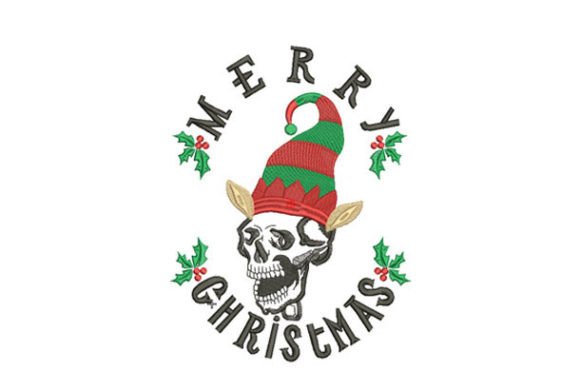
The mood of Dead Inside Skeleton Christmas is distinct. It captures that popular "cozy but dead inside" vibe that has taken over social media during the winter months. The layout is clean, avoiding the clutter that often plagues seasonal designs. For a designer, this clarity is crucial. Complex shapes can turn into muddy blobs if the stitch count is too high or the resolution too low. Here, the silhouette of the skeleton is recognizable even from a distance, which is vital for items like tote bags or caps where the viewer might not be standing inches away.
The visual personality leans heavily into irony. It is perfect for customers who love the aesthetics of Christmas but prefer a darker, more humorous twist. This makes it an excellent candidate for a personalized gift for friends who appreciate dry humor. However, because the theme is niche, it requires careful placement in your shop. It will not appeal to traditionalists, but it will likely convert quickly among younger demographics looking for unique holiday embroidery that stands out from the sea of red and green snowflakes.
Real-World Application: The Sweatshirt Test
To truly evaluate a design, you must imagine it stitched out. I recently considered using this pattern for a custom sweatshirt embroidery project for a client’s small clothing line. The goal was to create a limited-edition drop that felt exclusive and edgy. The Dead Inside Skeleton Christmas design worked exceptionally well here because of its bold lines.
When stitching on fleece or cotton blends, which are common for winter apparel, you need a design that holds its shape against the fabric’s texture. This design’s structure suggests it uses a combination of fill stitch for the body and potentially satin stitch for finer details or text elements. On a thick sweatshirt, this contrast prevents the design from getting lost in the nap of the fabric. It creates a raised, tactile quality that adds perceived value to the handmade product.
However, context matters. While it shines on apparel, I would hesitate to use this exact iteration on delicate items. For example, a baby embroidery project usually demands softer, gentler imagery. Unless you are targeting a very specific niche of alternative parenting styles, this design might feel too aggressive for a nursery onesie. It is better suited for teen or adult custom apparel, such as hoodies, crewnecks, or even durable canvas tote bag design applications.
Technical Considerations for Stitching
Before you hit the start button on your machine, there are practical factors to consider. The product description notes that this digital embroidery file comes in multiple formats, which is standard and necessary for compatibility across different brands like Brother, Janome, or Bernina. However, the description does not specify exact stitch counts or recommended hoop sizes. As a professional, I always advise checking these details in the preview software before purchasing or stitching.
Stitch density is a major concern with skeleton motifs. If the ribs or skull features are too dense, they can cause puckering, especially on thinner fabrics like t-shirts or kitchen towels. I recommend running a test stitch on scrap fabric similar to your final material. Use a cut-away stabilizer for stretchy garments like sweatshirts to ensure the design remains crisp after washing. For woven fabrics like aprons or pillow covers, a tear-away stabilizer might suffice, but always test first.
Another critical aspect is thread colors. This design relies on contrast. If you stitch white thread on white fabric, the detail will vanish. I suggest using high-contrast combinations, such as bone-white on black fleece or bright red on heather gray. Avoid low-contrast pairings unless you are aiming for a subtle, ghostly effect, which may not read well from a distance. Also, inspect the design for any tiny, isolated stitches that could unravel. A well-digitized file should have proper tie-offs and underlay stitches to secure the design.
Commercial Viability and Brand Fit
For Etsy sellers and craft business owners, this design offers a strong angle for Q4 sales. It fits perfectly into the "ugly Christmas sweater" trend but in a more refined, wearable format. It can be marketed as part of a collection that includes matching embroidered patch options for jackets or backpacks. Patches are a great way to utilize smaller hoop sizes if the full design is too large for certain areas.
When creating printable mockup images for your online store, ensure you show the design on diverse models and products. Show it on a dark hoodie, a canvas tote, and perhaps a throw pillow. This helps buyers visualize the finished product in their own lives. Remember, customer trust is built on transparency. If the design has intricate corners or small lettering, mention in your listing that it looks best on smooth fabrics to manage expectations.
Be mindful of licensing. The description states it can be used for various items, but always confirm whether the license allows for unlimited commercial sales or if there are restrictions on mass production. Most independent designers allow for physical sales of finished items but prohibit reselling the embroidery file itself. Respect these terms to maintain professionalism in the commercial embroidery community.
Final Verdict
The Dead Inside Skeleton Christmas design is a solid addition to any designer’s library who targets a modern, humorous audience. It is versatile enough for apparel and home decor but requires thoughtful execution regarding fabric choice and thread contrast. It is not a one-size-fits-all solution, but for the right project, it delivers high impact and strong emotional resonance. Test it, tweak your tension, and let the stitching speak for itself.