Cotton Candy Applique: A Designer’s Review for Boutique Sweatshirts
As an embroidery designer who has spent years digitizing and testing files for small clothing brands, I approach every new machine embroidery design with a critical eye. It is not just about whether the file runs; it is about how the finished product feels in the hand and looks on the shelf. Recently, I evaluated the Cotton Candy Applique for a potential limited drop of premium sweatshirts for a boutique brand. This review breaks down why this specific dessert-themed motif works exceptionally well for modern apparel and what you need to know before stitching it out.
First Impressions and Design Personality
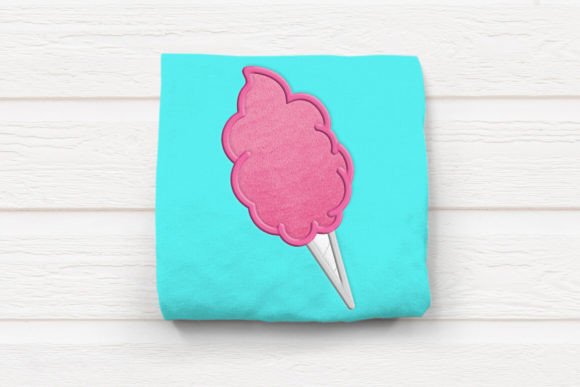
The moment I loaded the Cotton Candy Applique into my software, the layout struck me as playful yet structured. Unlike complex pictorial designs that can look cluttered on fabric, this applique relies on clean shapes and bold color blocking. The description notes that steps are separated by color changes, which is a crucial detail for production efficiency. For a designer, this means the workflow is predictable. You are not fighting through hundreds of micro-stitches; you are laying down foundation stitches, placing your fabric, and securing it with a satin or zigzag border.
The mood of this design is undeniably cute and feminine, but it avoids being overly childish. When placed on a neutral-toned sweatshirt, such as heather grey, oatmeal, or soft blush, the vibrant thread colors pop without overwhelming the garment. It feels decorative and whimsical, perfect for capturing the attention of customers looking for unique, handmade touches in their wardrobe. The "yummy" aesthetic mentioned in the product description translates visually into a soft, inviting texture that mimics the fluffy nature of actual cotton candy.
Strategic Placement for Sweatshirts and Hoodies
When planning a sweatshirt embroidery collection, placement is everything. I tested the Cotton Candy Applique in several key areas to determine its versatility. On an oversized hoodie, the design shines as a left-chest accent. At this smaller scale, the applique technique ensures the design remains readable without becoming a heavy, stiff patch on the chest. The fabric overlay adds dimension, making it stand out against the fabric texture of the fleece.
For a bolder statement, I experimented with centering the design on the back of a crewneck sweatshirt. Here, the larger scale allows the color transitions to truly breathe. If you are using a multi-needle machine, the instruction to set it up carefully is vital. Since the steps are separated by color changes, you must ensure your thread path is optimized to avoid excessive trimming or jumping. This design works beautifully for seasonal apparel, evoking feelings of summer fairs and winter cozy nights alike.
Sleeve accents are another trending option for custom apparel. Placing a smaller version of the Cotton Candy Applique near the cuff or on the upper arm adds a subtle detail that customers love. It transforms a basic blank into a curated piece of fashion. For Etsy sellers and small shop owners, offering these varied placement options can significantly increase perceived value and justify a higher price point.
Technical Considerations for Commercial Quality
From a technical standpoint, applique designs are generally forgiving, but they require precision. The most critical factor here is the choice of stabilizer. Because sweatshirts and hoodies are made from thick, stretchy fabrics, a cut-away stabilizer is non-negotiable. It provides the necessary support to prevent the fabric from puckering around the applique edges. I recommend a medium-weight cut-away to balance stability with comfort.
Thread colors play a massive role in the final outcome. Since this is a dessert-themed design, pastel pinks, blues, and purples are obvious choices. However, do not be afraid to experiment with high-contrast combinations for a more modern, graphic look. The instruction to not color sort or combine colors is important for maintaining the integrity of the design layers. Each color change represents a distinct step in the build-up of the cotton candy swirls. Ignoring this could result in a muddy or flattened appearance.
Another concern for commercial embroidery is durability. Applique edges must be dense enough to withstand washing without fraying. Before launching a small shop product line, always run a wash test. Check if the edges lift or if the underlying fabric shifts. The Cotton Candy Applique appears to have sufficient stitch density in the border to hold up well, but always verify this with your specific thread and needle combination.
Enhancing Brand Identity and Product Value
In the world of online sales, visual recognition is key. A distinctive design like Cotton Candy Applique helps build a cohesive brand identity. When customers see this specific style of embroidery, they begin to associate it with your boutique’s quality and aesthetic. It signals that your products are not mass-produced prints but carefully crafted handmade products.
For digital embroidery file users who are also selling physical goods, this design offers excellent photogenic qualities. The texture of the applique fabric catches light differently than flat stitching, creating depth in printable mockup previews and lifestyle photography. This visual appeal drives customer engagement on social media and improves conversion rates on listing pages. Buyers trust brands that show attention to detail, and a well-executed applique demonstrates exactly that.
Final Verdict for Designers and Makers
The Cotton Candy Applique is a strong contender for any designer looking to add a touch of whimsy to their apparel line. It bridges the gap between playful and premium, provided it is executed with care. Remember to check the specific hoop size requirements and file formats before purchasing, as these details were not explicitly defined in the brief description. Ensuring you have the correct embroidery file type for your machine is essential for a smooth production run.
Whether you are creating a cozy fall collection or a bright spring drop, this design offers flexibility. It works on dark fabrics where the pastel applique fabrics will glow, and on light fabrics where it adds a soft, textured focal point. For creative entrepreneurs and apparel decorators, this is a versatile asset that can elevate a simple blank into a bestseller. By focusing on high-quality materials and precise stitching, you can turn this digital asset into a tangible symbol of your brand’s creativity and craftsmanship.