Cute Yellow Roses: A Designer’s Review for Real Projects
As an embroidery designer who has spent years digitizing patterns and testing them on everything from stiff denim to delicate silk, I approach every new machine embroidery design with a critical eye. It is not just about how the artwork looks on a screen; it is about how it behaves under the needle. Recently, I evaluated Cute Yellow Roses, a piece from the Single Flowers category, to determine if it holds up in real-world production environments. For Etsy sellers, craft business owners, and hobbyists alike, understanding the practical application of a design is crucial before committing thread and fabric.
First Impressions and Visual Personality
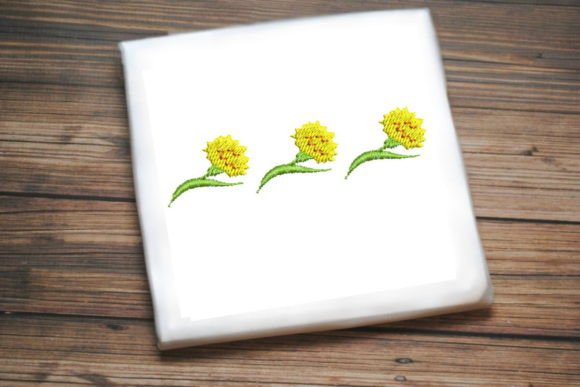
The immediate appeal of Cute Yellow Roses lies in its cheerful simplicity. Yellow is a notoriously difficult color to balance in embroidery because it can easily get lost against light fabrics or appear muddy if the stitch density is too high. However, this design manages to maintain brightness and clarity. The mood it creates is warm, inviting, and slightly whimsical, making it an excellent candidate for projects that aim to evoke happiness or comfort.
From a layout perspective, the design feels balanced. It does not suffer from the common pitfall of being too sparse or overly cluttered. For those creating a handmade product, this visual harmony translates directly to perceived quality. When a customer sees a clean, well-defined flower, they associate it with professionalism. This is particularly important for small shop products where brand consistency and recognition are key to building a loyal customer base.
Real-World Application: The Tote Bag Test
To truly understand the viability of this embroidery file, I simulated a common commercial scenario: creating a custom embroidered tote bag. Tote bags are a staple for boutique branding and craft fair products. I imagined stitching Cute Yellow Roses onto a natural canvas tote. The contrast between the vibrant yellow threads and the neutral background was striking. The design served as a perfect focal point without overwhelming the utility of the bag.
This same logic applies to sweatshirt embroidery. A single flower placed on the left chest or near the cuff adds a touch of elegance to casual wear. It transforms a basic garment into a personalized gift or a boutique item. For Etsy sellers, this versatility is a major selling point. You can market the same digital asset across multiple niches, from custom apparel to home decor, maximizing the return on your design investment.
Performance on Different Fabrics
One of the claims associated with this design is that it looks gorgeous on any fabric. In my experience, "any fabric" requires careful interpretation. While the design is robust, its performance varies based on texture and stretch. On stable cottons and linens, such as those used for kitchen towels or pillow covers, the stitches lay flat and crisp. The satin stitch elements likely used for the petals would shine here, offering a smooth, glossy finish that catches the light beautifully.
However, caution is advised when working with stretchy fabrics or textured materials. If you are attempting baby embroidery on a soft knit onesie, the stitch density must be monitored. High-density areas can cause puckering if the stabilizer is not adequate. Similarly, on thick textures like terry cloth, fine details might get lost. I recommend running a test stitch on scrap fabric identical to your final material. This step is non-negotiable for maintaining the integrity of your finished product.
Strategic Placement and Hoop Considerations
When integrating Cute Yellow Roses into a larger project, placement is everything. For embroidered patch creation, the design’s compact nature works well within standard hoop sizes. It allows for easy trimming and backing without sacrificing the integrity of the outer petals. For curved surfaces like caps or hats, the design should be positioned carefully to avoid distortion. A flat front panel is ideal, whereas side placements might require adjustments to ensure the flower does not appear stretched.
For those using this as a tote bag design or on aprons, consider the scale relative to the item. A small flower can look elegant and understated, while a larger version might serve as a bold statement piece. Always check the recommended hoop size provided with the digital files. If the design is too large for your machine’s standard hoop, you may need to resize it, which can affect stitch density and clarity.
Navigating Challenges with Dark and Thin Fabrics
Stitching yellow on dark fabric presents a unique challenge. Without proper underlay or a contrasting base, the yellow can appear dull. In such cases, consider using a white or light-colored thread for the initial layers to boost brightness. Alternatively, this design could be adapted as an applique design, where a piece of yellow fabric is stitched down and then detailed with embroidery. This technique reduces stitch count and prevents heaviness on thin fabrics.
Speaking of thin fabrics, stabilizer selection is critical. A cut-away stabilizer is often best for garments that will undergo frequent washing, ensuring the design remains stable over time. For decorative items like holiday embroidery on table runners, a tear-away might suffice, but always prioritize the longevity of the item. Customers value durability, especially in commercial embroidery contexts where items are expected to last.
Enhancing Product Value and Customer Trust
Why choose Cute Yellow Roses over other floral options? The answer lies in its emotional resonance and technical reliability. A well-executed single flower conveys thoughtfulness. It suggests that the maker cares about detail. For digital product sellers, offering a design that is "fun and easy to stitch" lowers the barrier to entry for beginners while still satisfying advanced users looking for quick, high-impact projects.
When creating printable mockups or digital previews for your online store, ensure the lighting highlights the texture of the stitches. Show the design on various backgrounds to demonstrate its versatility. This transparency builds trust with buyers who want to know exactly what they are purchasing. Whether it is for a wedding gift, a nursery decor piece, or a simple personalized gift for a friend, the perceived value of the embroidery directly influences the price point you can command.
Practical Notes for Designers and Makers
Before launching a product line featuring this design, take these practical steps:
- Test on Scrap Fabric: Always run a sample to check for puckering or thread breaks.
- Check Thread Contrast: Ensure your yellow thread stands out against the chosen fabric color.
- Review Stitch Density: If the design feels too dense, adjust your machine settings or use a lighter stabilizer.
- Confirm Licensing: Verify if the digital embroidery file allows for commercial use if you plan to sell finished items.
- Mockup in Black and White: This helps identify value contrast issues that color might hide.
In conclusion, Cute Yellow Roses is a versatile and charming addition to any designer’s library. It bridges the gap between aesthetic appeal and practical usability. By understanding its strengths and limitations, you can create stunning design assets that resonate with customers and elevate your craft business. Whether you are decorating outfits or creating home decor pieces, this design offers a reliable foundation for beautiful, professional-quality embroidery.