Green Blue Flower Border: A Craft Fair Review
As I set up my table for the upcoming weekend craft fair, the pressure is always on to curate a collection that stops shoppers in their tracks. The Green Blue Flower Border pattern has landed on my desk as a potential star for this season's handmade product line. Before I commit hours of machine time and fabric costs, I need to evaluate if this abstract floral ornament truly delivers the extraordinary look promised in its description. For any Etsy seller or boutique maker looking to expand their inventory with Borders, the decision to use a specific design can make or break a booth's visual appeal.
First Impressions: Abstract Elegance Meets Market Appeal
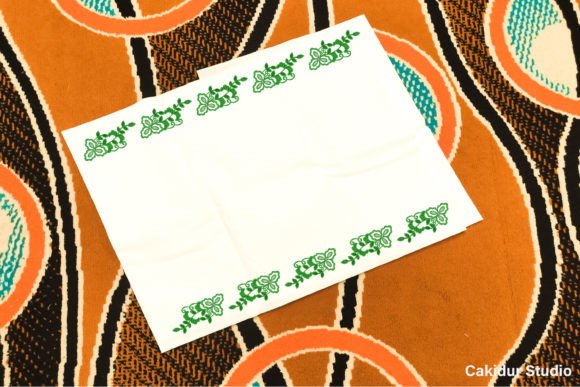
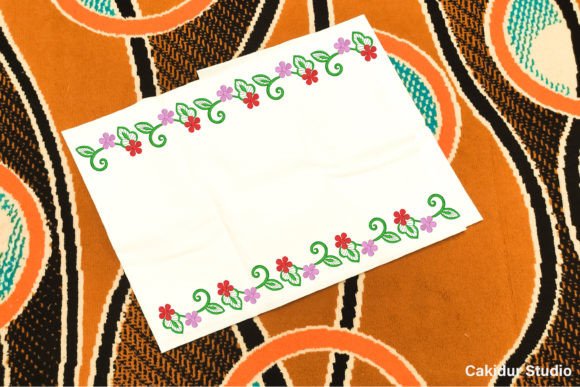
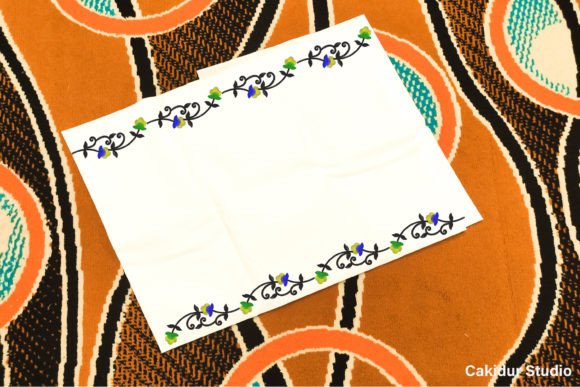
The first thing that strikes me about the Green Blue Flower Border is its versatility. It does not scream "rustic farmhouse" nor does it feel strictly "modern minimal." Instead, it occupies a sweet spot of decorative elegance that feels both soft and premium. The combination of green and blue thread colors suggests a fresh, botanical vibe that works exceptionally well for spring and summer markets. When I visualize this as an abstract floral ornament, I see a design that adds sophistication without overwhelming the base fabric. This is crucial for a craft fair product where customers often scan dozens of items in seconds; the color palette here offers a cool, calming contrast that stands out against the warm neutrals often found in tote bags and aprons.
Product Potential: Where Does This Design Shine?
Turning a digital file into a sellable item requires understanding how the pattern interacts with different surfaces. Here is my breakdown of where the Green Blue Flower Border performs best:
- Tote Bags and Market Bags: This is the primary candidate for this design. Placing the border along the bottom hem or the side seams of a canvas tote bag creates a finished, high-end look. It transforms a plain utility bag into a stylish accessory. The abstract nature of the flowers means it won't look dated quickly, making it a staple for a small shop product line.
- Tea Towel Embroidery: Kitchen textiles are huge sellers. Sewing this flower embroidery on linen or cotton tea towels near the hem adds a touch of luxury. The texture of a towel can sometimes hide tiny details, but the bold strokes of this border should remain visible and attractive.
- Apron Embroidery: For a chef or home baker, an apron with a subtle border at the pocket or hem looks professional yet personal. The Green Blue Flower Border adds just enough character without distracting from the wearer.
- Patches and Caps: While borders are typically linear, this design could be adapted into a curved patch for caps or a standalone embroidered patch for denim jackets. However, care must be taken with the scale on curved surfaces.
- Pillow Covers and Pouches: Small fabric pouches for jewelry or makeup benefit from this design running along the top edge. It frames the opening beautifully and signals quality craftsmanship.
Production Realities: Stitch Density and Fabric Texture
As a designer, I know that what looks good on a screen can behave differently under the needle. The Green Blue Flower Border description mentions it gives fabrics an extraordinary look, but achieving that requires attention to technical details. One major consideration is stitch density. If the abstract floral elements are too dense, they may pucker thin fabrics like organza or cause tension issues on thick canvas. Conversely, if the density is too low, the design might lack the punch needed to catch a customer's eye from across a crowded market aisle.
Fabric texture plays a significant role here. On a smooth cotton poplin, the thread will lie flat and vibrant. On a textured terry cloth towel, the stitches might sink slightly, muting the color vibrancy. This is why I always advise testing the design on scrap fabric before cutting into your main stock. You must check how the thread colors interact with the background material. A dark navy fabric might require a lighter stabilizer to prevent show-through, while a white tote bag needs a strong backing to support the weight of the thread.
Visual Impact and Customer Engagement
In the competitive world of handmade products, visual hierarchy is everything. The Green Blue Flower Border acts as a frame, drawing the eye to the center of the item or defining the edges with style. For an Etsy seller, this translates to better photography. A clean photo of a tote bag with this border looks cohesive and intentional, which increases perceived value. Customers are more likely to engage with a product that looks professionally designed rather than haphazardly stitched.
When displaying these items at a booth, the repetition of this border across multiple products—totes, towels, and pouches—creates brand consistency. It tells the shopper that you have a curated aesthetic. However, do not overuse it. If every single item has the exact same border, it can become monotonous. Use it as a signature element on your premium items to elevate them above generic goods.
Critical Designer Notes for Success
Before you hit "start" on your machine, consider these practical steps to ensure the Green Blue Flower Border lives up to its promise:
- Test on Scrap Fabric: Never skip this step. Run a test to check for puckering, thread breaks, or misalignment. Ensure the abstract shapes hold their form.
- Check Thread Contrast: The green and blue tones need to pop against your chosen fabric. If the fabric is too similar in hue, the design will disappear.
- Review Spacing and Hoop Size: Since this is a border, ensure you have enough room in your hoop to stitch the entire length without re-hooping, or plan your pivot points carefully. Re-hooping can lead to registration errors that ruin the flow of the border.
- Inspect Stabilizer Choice: Use the right stabilizer for the job. Cut-away stabilizers work best for stretchy knits, while tear-away is fine for stable wovens. The wrong choice can distort the delicate floral lines.
- Create Real Mockups: Do not rely solely on digital previews. Create at least one real mockup to photograph for your listings. This helps manage customer expectations regarding size and color.
- Confirm Licensing: Always verify your commercial license terms. If you plan to sell the finished commercial embroidery products, ensure the embroidery file allows for unlimited sales. Selling products without proper rights can shut down your business.
Final Verdict for the Handmade Entrepreneur
The Green Blue Flower Border is a strong contender for any serious crafter looking to add depth to their product line. Its abstract floral nature allows it to bridge the gap between traditional and contemporary styles, appealing to a wide demographic of buyers. Whether you are creating a tote bag design for eco-conscious shoppers or adding a touch of class to kitchen linens, this pattern offers a reliable way to enhance the perceived value of your handmade goods.
However, remember that a great design is only half the battle. Execution matters. Pay attention to your hoop size, your fabric choices, and the overall presentation of your finished product. By treating this machine embroidery design with the care it deserves, you can turn simple fabric into extraordinary pieces that sell themselves at the next craft fair. For the creative entrepreneur, this border is not just a decoration; it is a tool for branding and differentiation in a crowded marketplace.