Cauldron Embroidery Design Review for Small Business
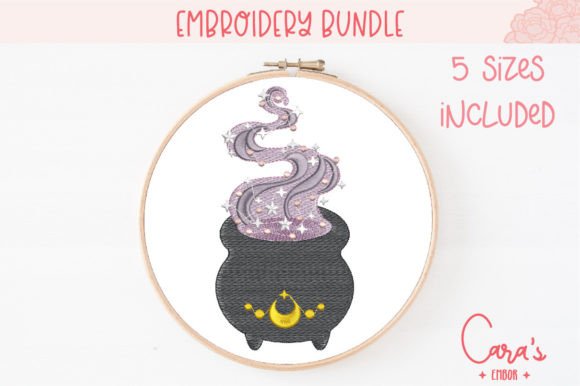
As an experienced embroidery designer who has spent years refining machine embroidery designs for commercial clients, I approach every new digital file with a critical eye. When reviewing the Cauldron design, my focus shifts immediately from personal craft to business application. This piece falls squarely into the Halloween category, but its potential extends far beyond seasonal decorations. For small business owners, Etsy sellers, and apparel decorators looking to expand their merchandise lines, understanding how a specific motif translates into branded products is essential. The Cauldron offers a distinct visual personality that can elevate small business merch if applied correctly.
First Impressions: Visual Personality and Brand Fit
The first thing that strikes me about the Cauldron is its inherent balance of rustic charm and bold statement. It feels less like a generic clip-art image and more like a curated asset for a handmade brand. In the world of brand identity, motifs need to communicate a story instantly. This design suggests creativity, mystery, and a touch of whimsy, making it ideal for boutiques, creative studios, bakeries, or even pet brands with a playful edge. It does not scream "mass production"; instead, it whispers "artisanal quality."
For a local café or a boutique florist, this embroidery file could serve as a unique accent on staff uniforms or customer gifts. The silhouette is strong enough to hold its own against busy backgrounds, yet detailed enough to show off the craftsmanship of your stitching. However, because it is categorized under Halloween, timing is crucial. Using this as a year-round logo might confuse customers unless your brand is specifically themed around magic, potions, or cozy fall aesthetics. If you are planning a limited-edition run for the autumn season, this design is a standout candidate for creating buzz and engagement.
Real-World Applications for Commercial Merchandise
When we move from concept to production, the versatility of the Cauldron becomes apparent. Here is how I see this design performing in real-world scenarios for various business types:
- Embroidered Patches: This is perhaps the strongest use case. The defined edges of the cauldron make it perfect for creating woven or embroidered patches. These can be sold individually or attached to denim jackets, tote bags, and backpacks. A patch allows for high stitch density without worrying about fabric puckering on the base garment.
- Apron Embroidery: For bakeries and cafés, placing the Cauldron on the chest pocket or lower panel of a chef's apron adds immediate character. It transforms a standard work uniform into a branded asset that customers notice.
- Cap Embroidery: On structured caps, this design works well as a front-center logo or a side detail. The circular nature of many cauldron shapes complements the curved surface of a cap front, provided the size is adjusted appropriately.
- Tote Bag Design: As a central focal point on canvas totes, the Cauldron stands out beautifully. Tote bags are excellent marketing tools; when a customer carries a bag with a striking design, they become a walking billboard for your shop.
- Product Packaging Accents: Imagine a small leather tag or a fabric label featuring this design attached to a jar of spices, a bottle of soap, or a box of candles. It elevates the perceived value of the finished product.
Critical Considerations for Production Quality
While the visual appeal is strong, there are significant technical constraints mentioned in the product description that every professional must respect. The description explicitly states: "Resizing or editing the design s is not recommended and the quality of the design s can t be guaranteed if you." This is a major red flag for any decorator who plans to scale the design up or down significantly.
If you intend to use the Cauldron for cap embroidery, which typically requires smaller dimensions, you must test the design at that exact size before committing to a bulk run. Reducing the size of a complex design often leads to thread bunching, loss of detail, and poor registration. Similarly, stretching it too large for a back-of-shirt application might reveal gaps in the satin stitches or cause the fill areas to look uneven.
Furthermore, the stitch density needs careful evaluation. High-density areas can pull on delicate fabrics like jersey knit or silk. If you are applying this to custom apparel made of thin material, you will need a heavy-duty stabilizer to prevent distortion. Always test on a scrap piece of the actual fabric texture you plan to use. Dark uniforms require different considerations than light ones; ensure the thread colors provide enough contrast so the design remains visible and professional.
Strategic Placement and Fabric Compatibility
Not all surfaces are created equal. Curved surfaces, such as the brim of a hat or the shoulder of a fitted shirt, can distort the shape of the Cauldron. Before hooping, visualize where the design sits on the 3D object. For items that undergo frequent washing, such as kitchen aprons or children's clothing, the durability of the stitch pattern is paramount. Ensure that the edges are clean and that there are no loose threads that could snag over time.
Also, consider the context of the item. A tote bag design that looks great in a mockup might look overwhelming on a small lunch bag. Always create a printable mockup to show clients or stakeholders exactly how the digital embroidery file will appear on the final product. This step builds trust and prevents costly mistakes.
Impact on Brand Identity and Customer Trust
In the competitive landscape of handmade goods and small business branding, every design choice counts. Using a high-quality, well-executed machine embroidery design signals professionalism. It tells your customer that you care about details. Conversely, a poorly resized or distorted logo can damage your reputation. The Cauldron, when used within its intended parameters, adds a layer of exclusivity and thoughtfulness to your brand.
For Etsy sellers and crafters, offering limited edition items featuring this design can drive sales during the Halloween season. It creates a sense of urgency and uniqueness. Customers are willing to pay a premium for handmade product labels that feel special. By integrating this motif into your design assets, you create a cohesive visual language that strengthens recognition.
Designer Checklist for Commercial Use
Before you hit the "start" button on your embroidery machine, follow these practical steps to ensure success with the Cauldron:
- Test in Black and White: Run a test stitch using a single color to check for jumps, spacing issues, and overall structure before adding expensive colored threads.
- Verify Hoop Size: Confirm that the design fits comfortably within your hoop without cutting off any elements. Do not force it.
- Check Licensing: Since this is for commercial use, confirm the license terms allow for unlimited production or if there are restrictions on the number of units you can sell.
- Review Thread Contrast: Ensure the chosen thread colors pop against the background fabric. Avoid low-contrast combinations that hide the detail.
- Inspect Spacing: Look closely at the inner details. Are there enough millimeters between stitches to prevent thread breakage?
- Create a Mockup: Generate a realistic image of the design on your product for client approval or social media marketing.
- Compare Assets: Place the Cauldron next to other logos in your collection to ensure visual consistency in style and weight.
The Cauldron is a powerful tool for decorators and business owners who understand its limitations and strengths. By respecting the guidelines against resizing and focusing on appropriate applications like patches and medium-sized apparel accents, you can deliver a premium commercial embroidery product that enhances your brand and delights your customers. Remember, the goal is not just to stitch a picture, but to build a lasting impression through quality and thoughtful design execution.