Dancing Skeletons: A Boutique Sweatshirt Review
As an experienced embroidery designer who has spent years curating collections for small boutique brands and Etsy sellers, I approach every new machine embroidery design with a critical eye. Today, I am reviewing the Dancing Skeletons file, specifically evaluating its potential for a limited-edition sweatshirt drop. When preparing custom apparel for a premium brand, the difference between a good product and a great one often lies in the nuance of the design itself. Does it translate well from a digital screen to a physical garment? Will it hold up under commercial use? Let’s dive into how Dancing Skeletons performs in a real-world scenario.
First Impressions: Mood and Visual Impact
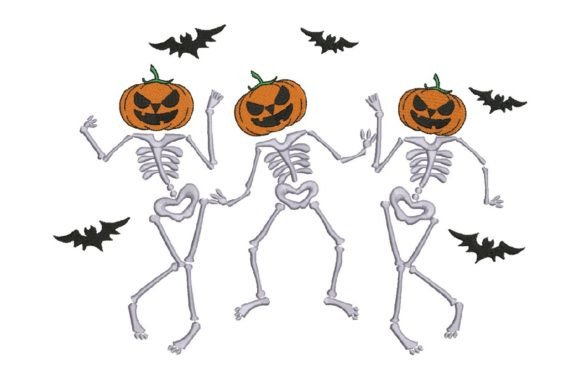
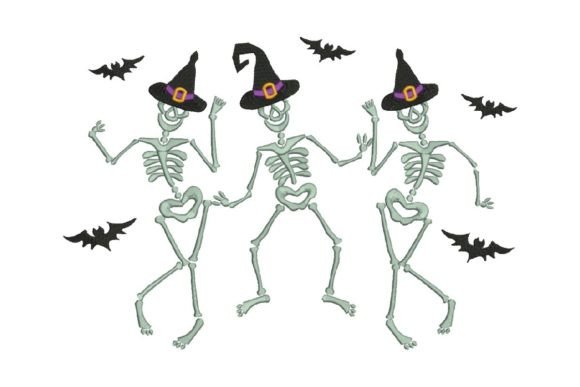
The moment I opened the preview for Dancing Skeletons, the vibe was immediately clear. This is not a spooky, horror-centric piece; rather, it exudes a playful, whimsical energy that fits perfectly within the modern aesthetic of seasonal Halloween collections. The layout suggests movement and joy, which is crucial when designing for casual wear like hoodies and crewnecks. For a boutique brand looking to stand out on social media, this design offers a unique selling point: it feels elegant yet fun, avoiding the cliché of scary imagery while still celebrating the holiday spirit.
The detail level appears balanced, which is essential for sweatshirt embroidery. Too much detail can get lost in the fabric texture of fleece, while too little can look cheap. Dancing Skeletons strikes a chord that promises to look gorgeous when stitched onto any fabric. The lines seem defined enough to maintain clarity even at smaller sizes, making it versatile for various placement options.
Fabric Pairing and Color Strategy
When planning a collection, I always test how a design interacts with different color palettes. For Dancing Skeletons, I envision three distinct directions:
- Neutral Sweatshirts: On oatmeal, heather grey, or cream fabrics, this design will pop beautifully if paired with high-contrast thread colors. A deep black or charcoal outline with pops of orange or teal would create a sophisticated, rustic-chic look suitable for a high-end small shop product.
- Dark Fabrics: Stitching this onto black or navy hoodies requires careful consideration of stitch density. Using metallic threads or bright neon accents against the dark background could elevate the piece into a bold statement item, perfect for nightlife or festival wear.
- Pastel Tones: For a softer, more feminine take, pastel pinks or lavenders would transform the skeletons into something cute and decorative. This approach works exceptionally well for oversized hoodies aimed at a younger demographic or those seeking cozy seasonal apparel.
The versatility here is a major asset. Whether you are aiming for a minimal, clean look or a maximalist, decorative style, Dancing Skeletons adapts well to the chosen fabric texture.
Placement and Commercial Application
For a professional apparel decorator, placement is everything. Here is how I see Dancing Skeletons working across different zones of a sweatshirt:
- Chest Placement: A standard left-chest logo size (approx. 3-4 inches) would be ideal for branding. It acts as a subtle signature for your boutique brand without overwhelming the wearer. This is perfect for everyday wear and helps build brand identity.
- Sleeve Accents: A vertical arrangement on the upper arm could serve as a stylish accent. This is a trending spot for custom apparel and adds a touch of uniqueness to otherwise plain garments.
- Back Designs: For a bolder statement, a larger version centered on the back creates a striking visual. This is excellent for lifestyle product photography and printable mockup previews used in Etsy listings.
Using this embroidery file for a limited drop can significantly affect product value. Customers perceive embroidered items as higher quality than printed ones. The tactile nature of the stitching adds a handmade feel that digital prints simply cannot replicate, fostering greater buyer trust and customer engagement.
Technical Considerations for Production
Before committing to a full production run, there are practical concerns every creative entrepreneur must address. While the description states that Dancing Skeletons is fun and easy to stitch, experience tells us to verify a few key technical aspects:
Stabilizer and Fabric Thickness
Sweatshirts have a thick, looped pile that can cause issues if not properly stabilized. For this design, I recommend using a cut-away stabilizer rather than tear-away. Cut-away provides long-term support, ensuring the stitches do not sink into the fabric over time, which is vital for washing durability. If you are working with heavy-weight fleece, double-layer stabilizing might be necessary to prevent puckering around the intricate details of the dancing figures.
Stitch Density and Thread Choice
The stitch density needs to be monitored closely. If the design is too dense, the fabric may become stiff, ruining the cozy feel of a hoodie. Conversely, if it is too sparse, the design may look incomplete. Since the description mentions it comes with multiple options, ensure you select the version optimized for medium-to-heavy weight fabrics. Additionally, consider using polyester thread for better wash resistance and vibrant color retention, especially for outdoor or frequent-wear items.
Hoop Size and Readability
Always check the recommended hoop size before starting. Hooping a thick sweatshirt can be tricky; ensure the design fits comfortably within the hoop without distorting the fabric. For small-size readability, zoom in on the preview to ensure the skeletal features remain distinct. If the design becomes muddy at 3 inches, it may be better suited for larger placements on the back or sleeve.
Building Brand Identity with Digital Assets
In the world of digital embroidery files, presentation is just as important as the final stitch. High-quality design assets allow you to create stunning mockups that showcase the potential of Dancing Skeletons on your specific products. These visuals are critical for Etsy sellers and online shops to drive sales. A well-photographed finished product showing the texture of the thread against the soft fleece can convince a hesitant buyer to make a purchase.
This design has the potential to become a signature piece for your Halloween collection. It balances the line between trendy and timeless, appealing to customers who want something unique but wearable year-round. By choosing a design that feels premium and well-executed, you signal to your audience that your handmade product is worth the investment.
Final Verdict for Small Business Owners
After reviewing the layout, mood, and technical requirements, Dancing Skeletons stands out as a strong candidate for a premium sweatshirt collection. It offers the flexibility needed for various marketing strategies, from commercial embroidery runs to small-batch handmade orders. However, remember to verify the exact stitch count, file format compatibility, and license terms before production begins. Ensure the file supports your specific machine capabilities and that the licensing allows for the volume of sales you anticipate.
For small clothing brands and apparel decorators looking to add a touch of whimsy and elegance to their seasonal lineup, this design delivers. With the right fabric choices, stabilizer application, and color planning, Dancing Skeletons can transform a simple sweatshirt into a coveted fashion statement. It is a design that respects the craft of Embroidery while embracing the fun spirit of the season, making it a valuable addition to any creative entrepreneur's toolkit.