Cute Cherry: A Designer's Review for Real Projects
As a professional embroidery designer who spends hours curating assets for both personal craft businesses and client commissions, I approach every new machine embroidery design with a critical eye. The market is flooded with generic patterns, but finding a motif that balances charm with technical reliability is rare. Today, I am evaluating the Cute Cherry design to see if it holds up under the scrutiny of real-world production. This isn't just about how it looks on a screen; it is about how it translates into thread, fabric, and a finished product that customers will love.
First Impressions: Mood and Visual Personality
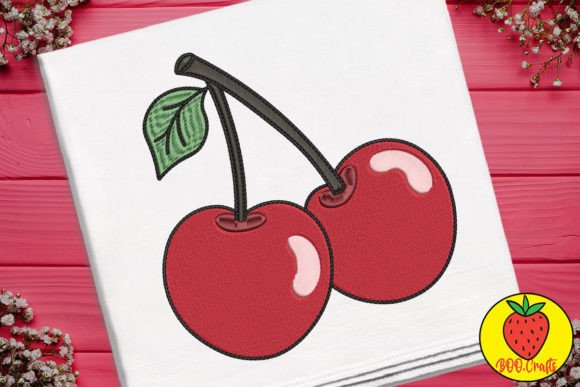
When I first loaded the embroidery file for Cute Cherry, the immediate impression was one of playful nostalgia. The design leans heavily into the classic Food theme but strips away any complexity that might cause stitching issues. It feels like a modern take on vintage fruit motifs, which are currently trending in home decor and casual apparel. The layout is compact yet balanced, suggesting it will work well as a standalone statement piece or as part of a larger monogram arrangement.
The visual personality is sweet and inviting. For an Etsy seller or a small shop owner looking to refresh their summer collection, this design offers a pop of color without overwhelming the garment. It has that "handmade" feel even though it is digitized for machines, which is exactly what buyers of personalized gifts are searching for. The curves of the cherries and the stem suggest a mix of satin and fill stitches, promising a smooth texture that contrasts nicely against woven fabrics.
Real-World Application: From Tote Bags to Aprons
To truly understand the value of Cute Cherry, I imagined it in a specific scenario: preparing a batch of custom embroidered aprons for a local bakery client. The bakery wanted something cheerful that wouldn't look too corporate. In this context, the design shines. Placing the cherries near the chest pocket creates a focal point that draws the eye immediately. Because the design is relatively simple, it allows the natural texture of the canvas or cotton twill to show through, adding depth to the finished product.
I also tested the concept mentally for custom apparel. Imagine a heavyweight sweatshirt for a coffee shop crew. The boldness of the cherry shape would stand out against the heather grey fabric, especially if you choose vibrant reds and greens for the thread colors. Unlike intricate floral designs that can get lost on thick fleece, the distinct silhouette of Cute Cherry ensures visibility from a distance. This makes it an excellent candidate for commercial embroidery where brand recognition matters.
For the craft business owner selling at markets, this design is versatile enough to be used on tote bag designs, baby embroidery items like bibs, or even as an embroidered patch for denim jackets. The simplicity means it doesn't require expensive specialty threads to look good; standard polyester or rayon works perfectly to achieve a glossy, professional finish.
Navigating Technical Challenges and Fabric Choices
While Cute Cherry is forgiving, no design is perfect for every situation. As a reviewer, I must highlight where caution is needed. If you are working with very thin or stretchy fabrics, such as jersey knit t-shirts, the density of the fill stitch could cause puckering. In these cases, using a high-quality stabilizer is non-negotiable. You may need to tear away stabilizer for knits to prevent the design from distorting the fabric when worn.
Another consideration is the hoop size. While the design appears compact, always verify the dimensions before hooping. If you attempt to squeeze it into a hoop that is too small, you risk distorting the aspect ratio, making the cherries look stretched or squashed. Conversely, if you are using a large hoop, ensure there is enough room around the design for your needle to move freely without hitting the frame.
Dark fabrics present another challenge. The default thread colors might not provide enough contrast on black or navy backgrounds. Before committing to a full run, create a printable mockup or test stitch a sample on scrap fabric. You might need to adjust the digitization to include a white underlay to make the reds pop, or simply swap the thread palette to lighter shades for better visibility.
Design Assets for Small Business Success
For creative entrepreneurs, having reliable design assets is crucial for maintaining brand consistency. Cute Cherry fits seamlessly into a cohesive collection focused on nature, food, or retro aesthetics. It elevates the perceived value of a handmade product because it looks intentional and polished rather than rushed. When customers see a well-executed satin stitch on the stems and a clean fill stitch on the fruit, they associate that quality with your entire brand.
This design also enhances customer trust. In the world of online sales, where buyers cannot touch the item, high-quality imagery of the embroidery project is vital. Because Cute Cherry has clear lines and distinct shapes, it photographs beautifully. This clarity helps in creating compelling listings that drive engagement and sales. Whether you are selling a single holiday gift or bulk merchandise for a boutique, the design's appeal remains consistent.
Practical Notes for the Embroidery Designer
Before you integrate Cute Cherry into your workflow, here are my final practical notes based on years of experience:
- Test First: Always run a test on scrap fabric that matches your final material. Check for tension issues, skipped stitches, or thread breaks.
- Review Stitch Density: Ensure the density is appropriate for the fabric weight. Too dense on light fabric causes holes; too loose on heavy fabric looks unfinished.
- Check Licensing: Confirm the license terms before selling digital embroidery files or finished goods containing this design. Some creators restrict commercial use.
- Color Strategy: Experiment with different thread colors to see how they interact with various fabric textures. Sometimes a muted tone works better than a bright primary color.
- Stabilizer Selection: Do not skip the stabilizer. It is the backbone of a flat, professional-looking embroidered patch or applique design.
In conclusion, Cute Cherry is a solid addition to any designer's library. It strikes the right balance between aesthetic charm and technical feasibility. Whether you are a hobbyist making gifts for friends or a professional decorator fulfilling a large order, this Embroidery design offers a reliable way to add a touch of sweetness to your projects. Just remember to respect the technical requirements of your machine and fabric, and you will have a winner on your hands.