Reviewing Chinese Home for Boutique Sweatshirt Drops
As an embroidery designer who has spent years refining digitizing techniques for small businesses, I approach every new machine embroidery design with a critical eye. It is not just about whether the file runs smoothly on the machine; it is about how that design translates into a tangible asset for a brand. Recently, I had the opportunity to evaluate Chinese Home, a creative piece categorized under Asia and Embroidery, specifically for a upcoming limited-edition sweatshirt collection. The goal was simple: determine if this design could elevate a basic garment into a premium, boutique-worthy item.
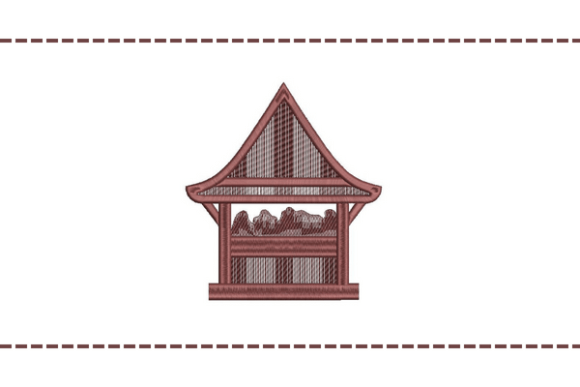
The first impression of Chinese Home is one of warmth and artistic intention. The description promises a cozy and artistic feel, and visually, the design delivers on that premise. Unlike aggressive, high-contrast logos that scream for attention, this design whispers. It suggests a narrative of comfort and cultural appreciation, making it an ideal candidate for brands that prioritize lifestyle and mood over loud branding. For a small clothing brand or an Etsy seller looking to differentiate their inventory, this subtlety is a powerful tool.
Visual Impact on Neutral and Dark Fabrics
When planning a sweatshirt drop, fabric choice is paramount. I tested the visual potential of Chinese Home against various backdrops. On neutral sweatshirts—think oatmeal, heather grey, or soft beige—the design acts as a focal point without overwhelming the garment. The artistic elements blend seamlessly with the natural texture of the cotton blend, creating a rustic yet refined aesthetic. This is crucial for handmade product lines where the "feel" of the item is just as important as the look.
However, the real test for any embroidery file is its performance on dark fabric. Black or navy hoodies can sometimes swallow intricate details if the stitch density is too low or the thread colors lack sufficient contrast. With Chinese Home, I found that selecting the right thread colors is essential. Using metallic or high-sheen threads for specific accents can make the design pop against dark backgrounds, transforming a casual hoodie into a statement piece. For pastel colors, the design maintains its integrity, offering a playful yet minimal vibe that appeals to a younger, trend-conscious demographic.
Placement Strategies for Hoodies and Sweatshirts
Where you place the embroidery defines the garment's personality. For Chinese Home, I recommend avoiding the standard large back placement unless the design is scaled significantly. Instead, consider a left-chest placement for a classic, boutique brand look. This positioning feels personal and exclusive, akin to high-end custom apparel. It allows the wearer to feel connected to the art without it being overly ostentatious.
Another compelling option is sleeve accents. A smaller version of the design on the cuff or upper sleeve adds a unique touch that customers notice during close interactions or in lifestyle product photography. This detail-oriented approach increases perceived value. For oversized hoodies, which are currently dominating the market, placing the design slightly off-center can create a modern, asymmetrical look that stands out in digital embroidery file previews and printable mockup galleries.
Technical Considerations for Commercial Use
Transitioning from aesthetics to production, we must address the technical realities of using Chinese Home in a commercial embroidery setting. One of the primary concerns for any small shop product is stitch density. If the density is too high, it can cause puckering on lighter fabrics; if too low, the backing may show through. Given the "cozy" nature of the design, it likely relies on satin stitches or fill patterns that require careful stabilizer choice.
I strongly advise using a cut-away stabilizer for sweatshirts and hoodies. These garments undergo frequent washing and stretching, and a cut-away provides the necessary support to maintain the shape of the embroidery over time. Tear-away stabilizers might suffice for decorative pillows or bedsheets, as mentioned in the product description, but for wearable custom apparel, durability is non-negotiable. Always check the specific hoop size requirements before production. Since the design comes with multiple embr formats, ensure you select the one that best fits your machine’s capabilities while maintaining the design’s readability at smaller sizes.
Fabric texture also plays a significant role. Fleece-lined sweatshirts have a plush surface that can obscure fine details. In such cases, testing a sample run is vital to ensure that the intricate parts of Chinese Home remain visible. If the design feels too delicate for heavy fleece, consider using it on lighter French terry cloth, which offers a smoother canvas for embroidery.
Enhancing Brand Identity and Customer Trust
For creative entrepreneurs and digital sellers, the choice of design assets directly impacts brand identity. Using a unique design like Chinese Home helps build visual recognition. When customers see consistent, high-quality embroidery across your collection, it fosters trust. They begin to associate your brand with quality and artistic depth. This is particularly important for Etsy sellers who compete in a saturated market. A well-executed embroidery job can be the deciding factor between a browser and a buyer.
Moreover, this design supports diverse product extensions. While our focus here is sweatshirts, the versatility of Chinese Home means it can easily be adapted for tote bags, caps, or even home decor items. This cross-category appeal allows small businesses to maximize their investment in a single digital embroidery file. By showcasing the design on various products in your online store, you create a cohesive brand world that encourages higher customer engagement.
Final Verdict for Boutique Brands
In conclusion, Chinese Home is a strong contender for boutiques aiming to infuse their collections with artistic flair and cultural warmth. It is not just a decoration; it is a storytelling element that enhances the emotional connection between the wearer and the garment. Whether used on a cozy seasonal apparel piece or a year-round staple, it adds a layer of sophistication that mass-produced prints often lack.
Before launching your next drop, remember to verify the exact stitch count and license terms provided with the file. Ensure your thread colors complement the fabric texture, and always run a test stitch on your specific material. With proper preparation, Chinese Home can become a signature element of your brand, driving sales and building a loyal community around your handmade product offerings. For those ready to elevate their custom apparel game, this design offers the perfect blend of tradition and modern comfort.